
Georgia’s real estate market – especially in Tbilisi and Batumi – has become one of the most attractive destinations for foreign buyers seeking both personal residences and long-term investment opportunities. Demand continues to grow steadily in Georgia’s real estate market. At the same time, however, the level of legal awareness among interested buyers remains relatively low, which often results in delayed transactions, unexpected costs, or avoidable legal complications.
For this reason, approaching a property deal with proper legal preparation is not a formality – it is a necessity. Below is a practical legal checklist designed to help foreign buyers navigate the Georgian real estate market safely and confidently, including transactions involving off-plan and under-construction properties.
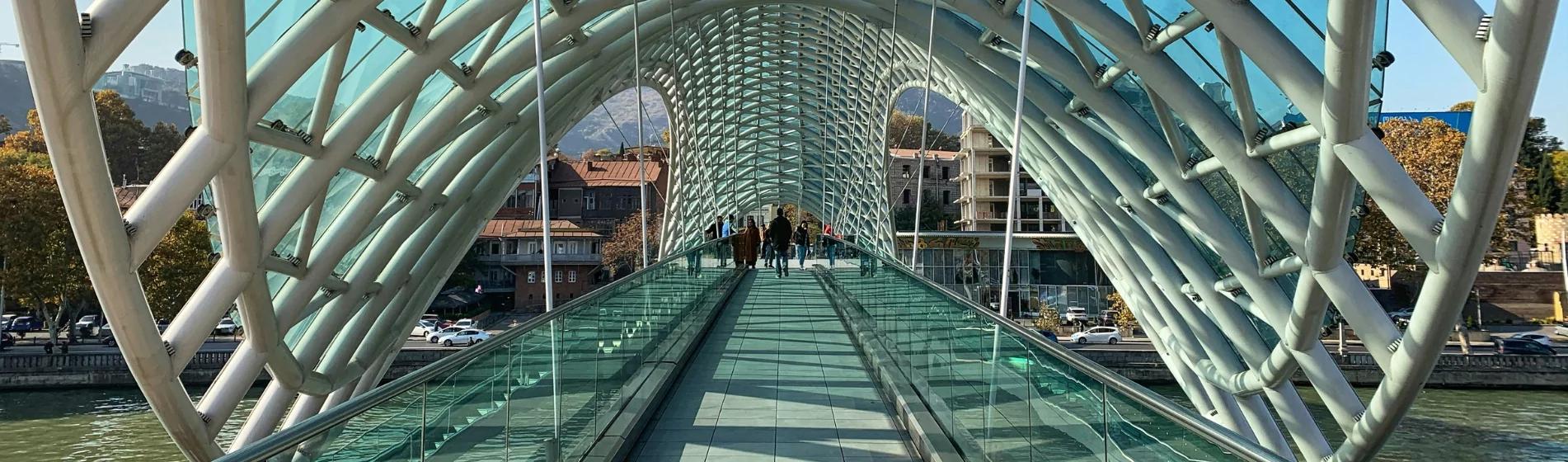
Tbilisi or Batumi? How to Invest in Georgian Real Estate Without Coming to Georgia
When it comes to investing in real estate in Georgia, Tbilisi and Batumi stand out as two cities with distinct vibes – yet both are full of opportunities.
Tbilisi, the capital, has long been a magnet for individuals seeking employment, education, or a fresh start. Walking through its streets, you see a mix of modern developments and historic neighborhoods – and that’s exactly why the city’s real estate market is thriving. Apartments in central districts or emerging areas are growing in value, driven by demand from students, expats, and professionals relocating to the city. Investing here means tapping into a steady rental market while also benefiting from potential long-term growth. Tbilisi offers a perfect balance for anyone who wants both residential comfort and a reliable income from their property.
Then there’s Batumi – Georgia’s coastal gem. With its seaside charm, tourist buzz, and lively atmosphere, Batumi has become a hotspot for seasonal rentals and vacation homes. Real estate here is more affordable than in Tbilisi, yet the potential to earn from short-term rentals is high, especially during the summer months. Batumi attracts visitors from all over, making it an exciting option for investors looking for a profitable, seasonal income or a vacation property that works for them year-round.
One of the best parts? You don’t even have to fly to Georgia to make it happen. Foreigners can buy property safely and legally, and with a Power of Attorney, the entire purchase can be completed online. The Power of Attorney is notarized, ensuring it is fully legal and recognized by all authorities in Georgia.
From choosing the apartment to signing contracts, everything can be done remotely – giving investors flexibility and peace of mind. Georgia’s clear property laws, straightforward registration process, and low purchase taxes make this path even easier.
Whether it’s the capital energy of Tbilisi or the coastal allure of Batumi, investing in Georgian real estate offers opportunities that are accessible, flexible, and potentially very rewarding.
Types of Real Estate
The real estate market in Georgia offers a wide variety of options for buyers, from apartments in brand-new buildings to pre-owned homes in older neighborhoods. Understanding the different types of properties and their conditions is essential for making informed decisions, whether your priority is cost, convenience, or immediate move-in readiness. Below is a guide to help you navigate the main types of real estate available in Georgia.
-
Residential real estate – Properties used for living purposes, including single-family homes, condos, cooperatives, duplexes, townhouses, and multifamily residences. Buyers may choose from newly constructed apartments, off-plan units, or pre-owned properties in older buildings.
- Commercial real estate – Properties used exclusively for business purposes, including offices, retail stores, shopping centers, hotels, hospitals, restaurants, parking facilities, and theaters.
- Industrial real estate – Properties for manufacturing, production, distribution, storage, and R&D purposes.
- Land – Undeveloped or vacant land, including agricultural plots, farms, orchards, ranches, and timberland.
- Special purpose – Properties for public or community use, such as cemeteries, government buildings, libraries, parks, places of worship, and schools.
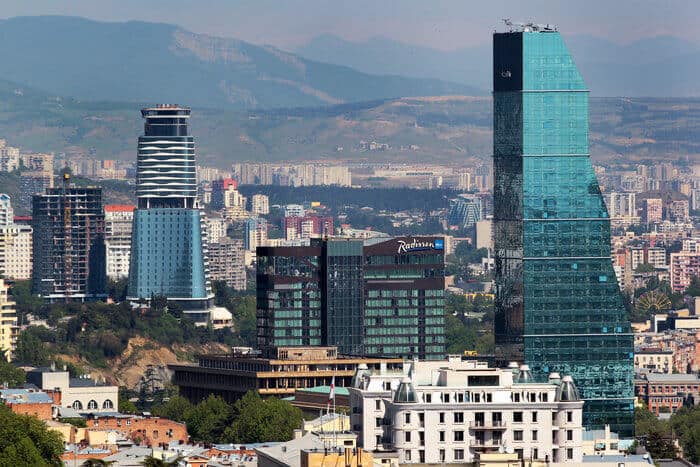
Apartments in Under-Construction Buildings
When purchasing a newly built or under-construction apartment, properties are often delivered in one of three conditions:
Black Frame (Initial stage)
Includes entrance doors, metal-plastic windows, basic utility connections, and structural walls.
Pros: Lower cost.
Cons: More time and effort required for full interior finishing.
White Frame (Semi-Finished)
Includes entrance doors, metal-plastic windows, plastered walls, laid floors, and fully installed utility connections. Ready for cosmetic finishing.
Pros: Saves time and effort compared to black frame.
Cons: Still requires some finishing work.
Green Frame (Fully Finished / Turnkey)
Includes everything in the white frame, plus energy-efficient materials, heating systems, and full comfort-ready conditions.
Pros: Move-in ready; minimal renovation required.
Cons: Higher purchase price.
Recommendation:
- If minimizing costs is a priority, consider a black frame
- For a balance between cost and convenience, a white frame is suitable
- For minimal time and immediate move-in, a green frame is the best option
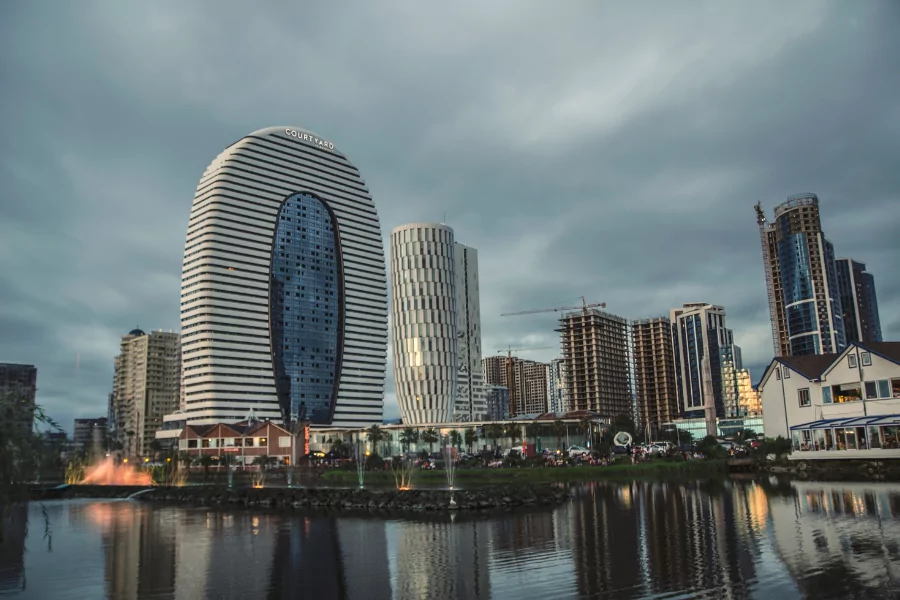
Buying Property in a construction-phase project
Purchasing property in a construction-phase project can offer attractive pricing and investment potential, but it also carries increased legal risk.
Before committing to such a purchase, buyers should pay particular attention to:
- The developer’s reliability and reputation
- Proper and balanced drafting of the preliminary purchase and sale agreement
- Thorough review of all contractual terms and conditions
- Registration of the buyer as a future owner in the Public Registry
Only an informed buyer can properly assess and manage the legal risks associated with off-plan purchases.
Verify Financial Limits and Payment Regulations in Advance
For buyers planning to purchase property through a mortgage rather than a full cash payment, one of the first and most important steps is understanding the financial limits and banking regulations applicable to real estate transactions in Georgia.
Being informed in advance allows buyers to:
- Avoid transaction suspension or unexpected delays
- Properly plan property-related payments and loan disbursements
- Ensure timely and secure completion of the transaction
- Minimize unnecessary banking procedures and commission fees
For foreign buyers transferring funds from abroad and relying on bank financing, early financial planning is particularly important and often decisive for a smooth and successful transaction.
Check the Cadastral Code and Public Registry Extract
Every property in Georgia is identified by a unique cadastral code, which enables buyers to obtain a Public Registry extract containing detailed and reliable information about the property.
Through this extract, buyers can verify:
- Ownership details
- Exact location and size of the property
- Existing encumbrances, such as mortgages or pledges
This step is fundamental to confirming the legal status of the property before entering into any binding agreement.
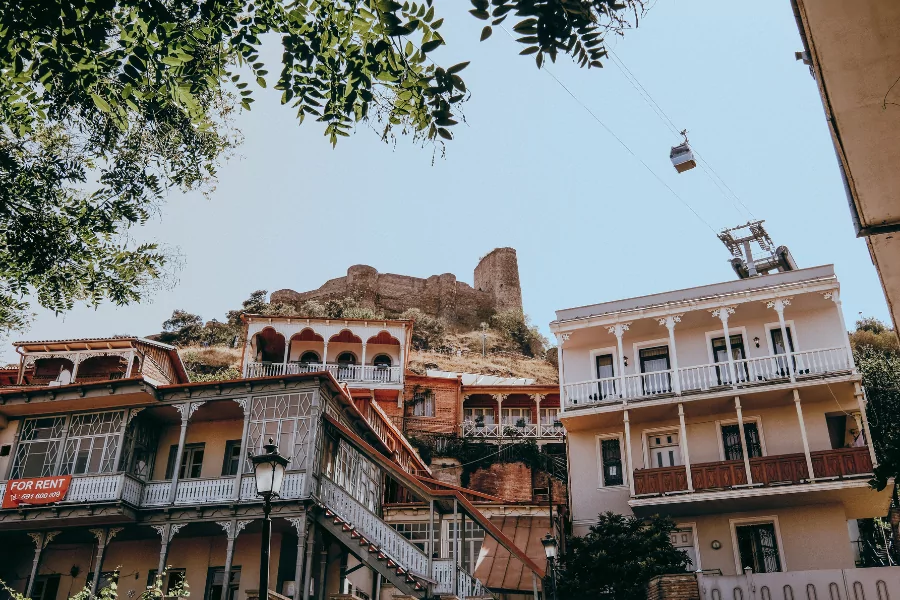
Confirm Whether the Building Is Commissioned
One of the most critical – yet frequently overlooked – issues is determining whether a building has been officially commissioned by the municipality.
When a building is commissioned, it means that:
- Construction quality and safety standards have been verified
- The project complies with issued permits
- An official commissioning (acceptance) act exists
In such cases, the property is considered legally complete and can be fully recognized and registered by the Public Registry.
If a buyer purchases an apartment in a building that has not yet been commissioned, several risks may arise:
- Full ownership registration may not be possible
- The building may exceed permitted construction parameters
- Authorities may require future legalization or modifications
- Banks may refuse mortgage financing or significantly reduce the valuation
For this reason, legal assessment of the construction status is essential.
Common Mistakes Foreign Buyers Should Avoid
1. Lack of Thorough Document Verification
One of the most common mistakes is neglecting to verify the legal status of the property and the seller’s rights.
To avoid this:
- Confirm valid ownership documentation
- Check for encumbrances, disputes, or restrictions
- Engage a lawyer experienced in Georgian real estate law
2. Underestimating the Importance of Location
Many buyers focus primarily on price, overlooking the strategic importance of location.
Key factors to consider include:
- Transportation accessibility
- Developed infrastructure (schools, shops, medical facilities)
- The area’s long-term value appreciation potential
- Ignoring Developer Due Diligence
This is particularly relevant when investing in new developments. Delays or quality issues often stem from insufficient background checks.
To protect yourself:
- Review the developer’s completed projects
- Verify construction permits
- Carefully analyze deadlines, liability clauses, and penalties
4. Making Rushed Decisions Without Market Analysis
Impulse purchases can lead to overpaying or acquiring non-liquid assets.
A safer approach includes:
- Analyzing market trends in Tbilisi and Batumi
- Comparing similar properties
- Consulting legal and real estate professionals
5. Miscalculating Additional Costs
The purchase price is only one part of the total investment. Buyers should also consider:
- Taxes and registration fees
- Transaction and notary costs
- Renovation and furnishing expenses

In Summary
Buying property in Georgia can be both a secure and profitable investment – provided that the process is approached with proper legal awareness and professional guidance. Careful planning, thorough document review, and informed decision-making are the key elements of a successful real estate transaction.
At Nomos Georgia, we support foreign buyers and investors throughout every stage of the real estate process, helping them navigate legal complexities and minimize risks in Georgia’s dynamic property market.